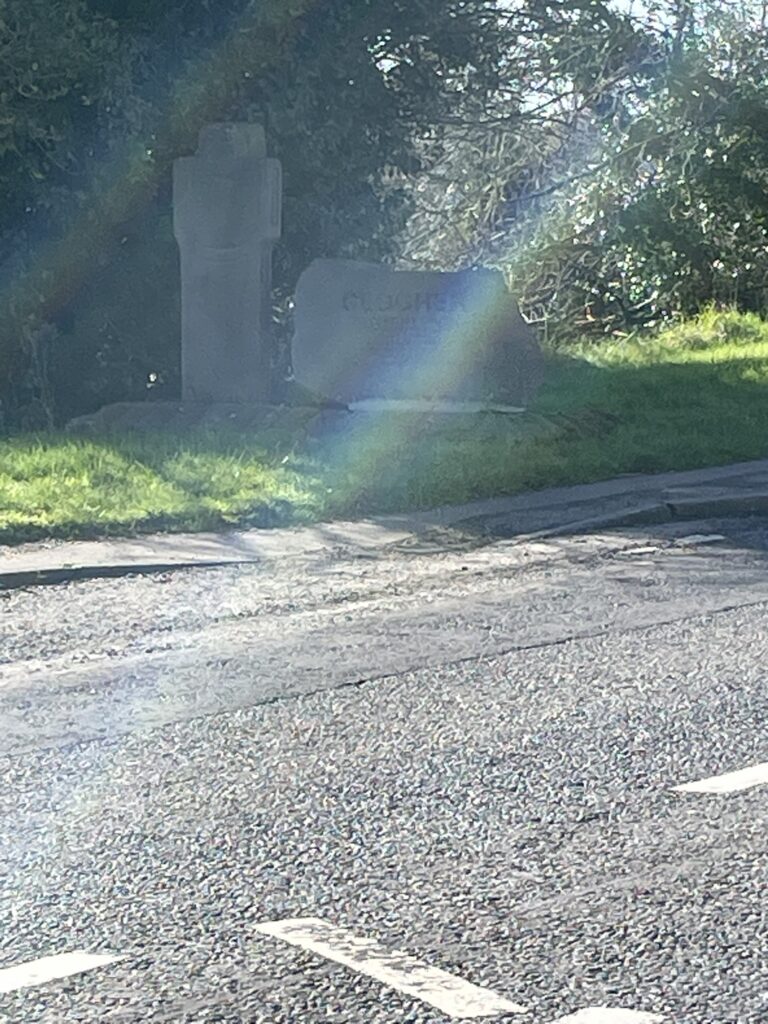
About the area
Clogher Today
Ask anyone who runs a business in Clogher why they've stayed, and the answer is almost always the same: community spirit. This is a village where shopkeepers know their customers by name, where a visitor gets treated like a neighbour rather than passing trade, and where that welcome is exactly what keeps people coming back, and keeps local businesses choosing to build their future here rather than move on.
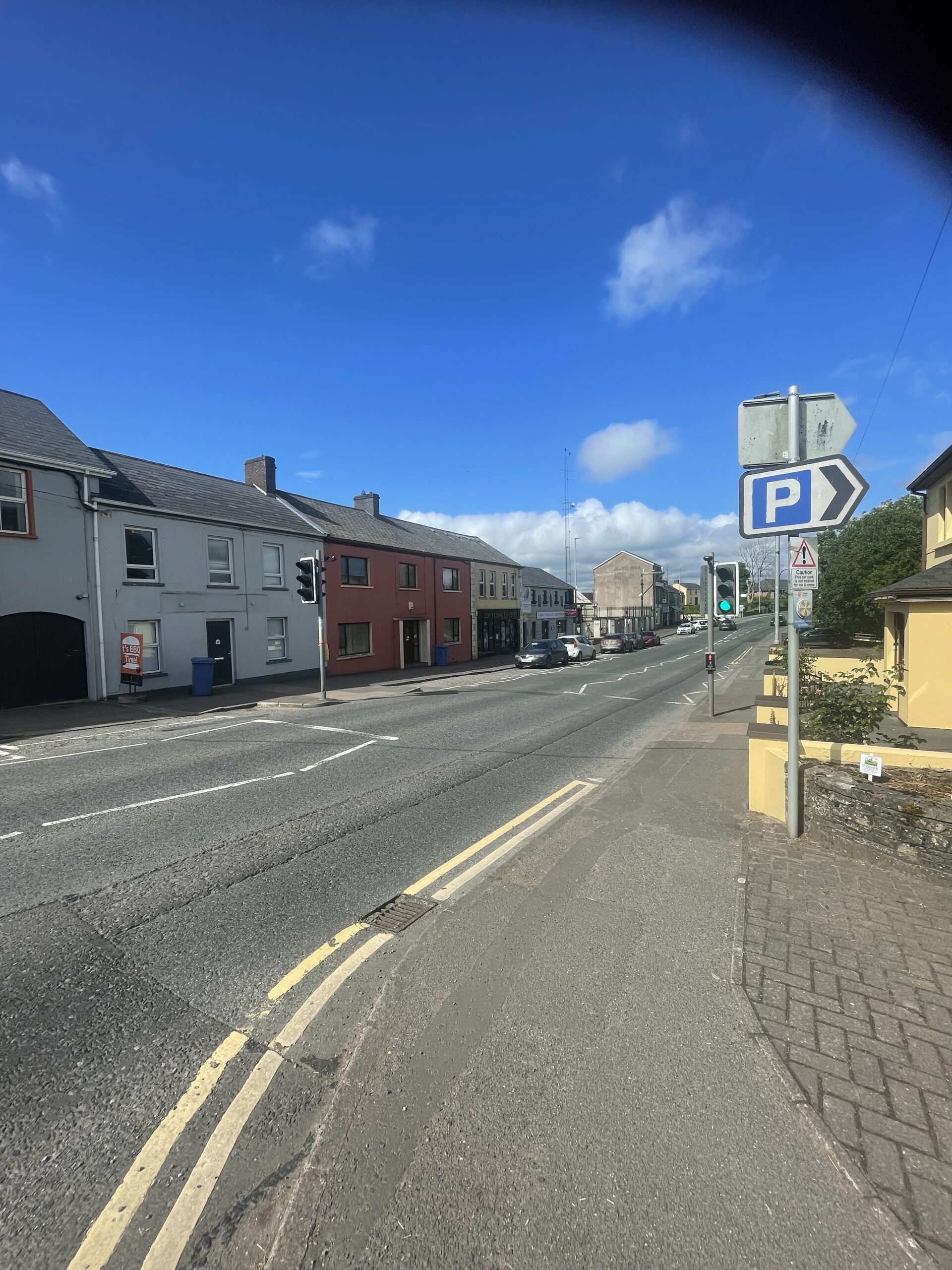 It shows in the small, practical things too. Main Street has paid parking right along the shopfronts, but just off it, near the traffic lights, there's free public parking, making it easy to stay a while longer, whether you're browsing a shop or sitting in the hairdresser's chair, without watching the clock.
Saturdays are the busiest day in the village by far, thanks to the local livestock mart. Sales start at 12 pm and draw farming families and traders in from right across the valley, filling the streets with that unmistakable market-town energy. If you're parking on Main Street that day, keep an eye on the on-street time limits, as they're enforced. Full sale times and details are kept up to date at cloghermart.com.
That same community spirit runs through how the village has treated its old buildings. The former Bishop's Palace and convent now serves as St Macartan's Care Home, and the old Clogher Courthouse has found new life as home to the Hope 4 U Foundation, a community charity now running from the very rooms where justice was once administered.
Shops and Businesses in Clogher
Once you've parked up, here's a taste of what's trading on the ground — proud founding members of LocalWhere2's Clogher listings:
- Burgo | Clogher — Premium gourmet smash burgers made with fresh local ingredients, signature toppings, and hand-cut chippy perfection.
- Wendy's Country Chip — Authentic, freshly made comfort food and classic local takeaways served with heart, right in the centre of the valley.
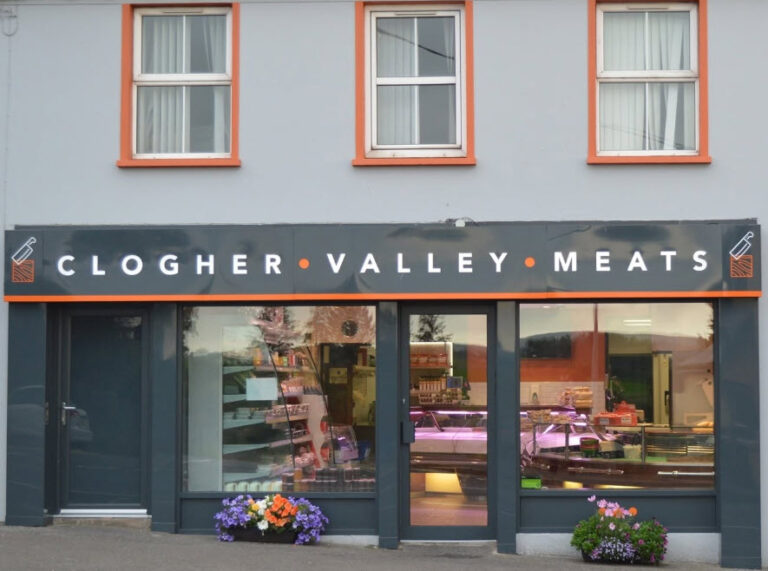
- Clogher Valley Meats — Renowned, award-winning traditional country butcher celebrated for international champion pork sausages and premium, locally sourced beef cuts.
- Hair Studio — A welcoming, boutique salon experience offering expert hair styling and colouring where you're always heard and truly valued.
- Emerald Medical Aesthetics — Advanced, medically governed aesthetic clinic specialising in facial rejuvenation, clinical hair loss restoration, and non-surgical body contouring.
- The Smile Suite — Dedicated professional dental hygiene services and advanced oral care treatments based right here in Clogher.
- Hope 4 U Foundation — An inspiring community support charity and cosy local coffee shop, proudly operating out of Clogher's historic old courthouse.
For the full, up-to-date list of everything trading in the village, browse the full list of Clogher businesses, or flick across to the Local Where 2 to view possible discounts, jobs or more in the area.
History
Clogher: An Ancient Royal City Older Than Recorded History
The village of Clogher occupies a vital, strategic position as the western gateway to the scenic Clogher Valley.
Nestled beside the River Blackwater between the Sperrin Mountains and the Slieve Beagh uplands, its very name derives from the Gaelic Clochar, meaning "stony place"—a direct reflection of the dense concentration of ancient monuments, ringforts, and sacred structures that define this historic landscape.
The Pre-Christian Seat of Kings
Clogher’s role as a major regional centre of secular power and ritual predates written records. Around 150 AD, the famous Greco-Roman geographer Claudius Ptolemy mapped the island's key political features. Modern georeferencing and spatial analysis of Ptolemy's coordinates indicate that the royal site designated as "Regia" (or Regia Minor) corresponds directly to the ancient hillfort of Clogher. This officially distinguishes Clogher as one of the oldest recorded locations in Ireland.
The physical seat of this ancient power was the Rathmore hillfort on Castle Hill, a double-humped drumlin adjacent to the modern cathedral. Extensive archaeological excavations directed by Richard Warner between 1969 and 1977 uncovered an incredibly complex, high-status site:
- Dynamic Earthworks: The hillfort began as an Iron Age earthwork surrounding a prehistoric Bronze Age ring-barrow.
- The Great Timber Assembly Hall: In the late 6th century, the site became the royal headquarters of the powerful Uí Chremthainn dynasty, rulers of the Kingdom of Airgíalla. It featured a monumental circular timber assembly hall, a massive 40 meters in diameter, where local kings and nobles gathered.
- Royal Inaugurations: A distinct triangular mound at the southern end of the hillfort serves as the ceremonial site where local rulers were symbolically installed.
- Elite Global Trade: Excavations uncovered imported Gaulish and Mediterranean ceramics, specialised bronze- and glass-working debris, and intricate zoomorphic penannular brooches, proving ancient Clogher was an active hub for international trade.
Because the site was largely left untouched after the 9th century, it escaped the construction of later Anglo-Norman stone castles. Preserved for centuries within the private parklands of the historic bishops, Castle Hill remains one of Ulster's most complete and pristine archaeological records. You can review the complete excavation details on the Ancient Clans Clogher Hillfort Guide.
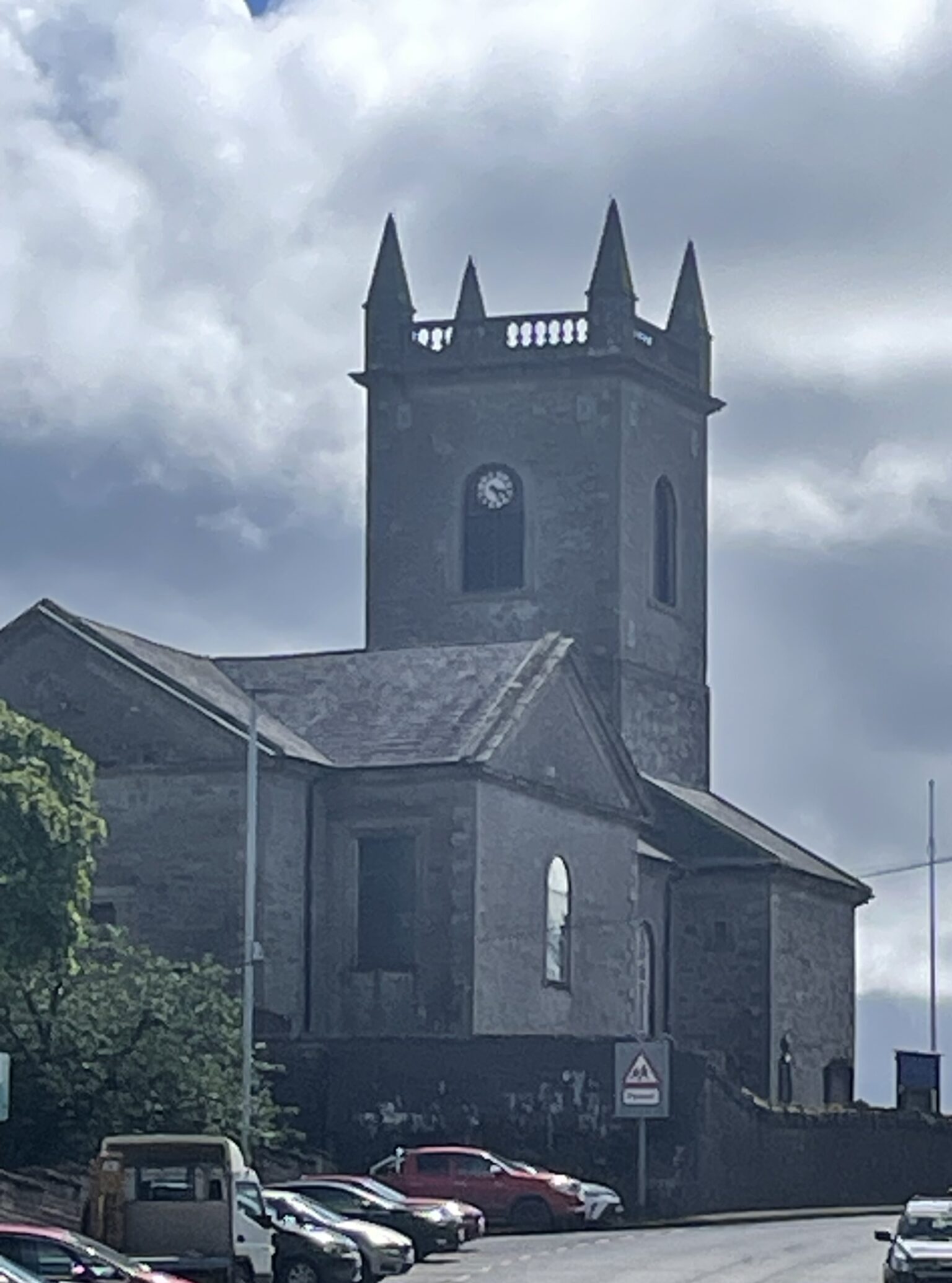
The historic architecture of St Macartan’s Cathedral, a local spiritual landmark tied deeply to the ecclesiastical history of the diocese.
The Legal Legacy of a Walled City
During the early modern period, Clogher successfully transitioned into an organised municipal settlement, with records from 1517 explicitly describing it as a "walled city." On April 20, 1629, King Charles I issued a letter of patent officially granting Clogher an incorporated borough charter. This prestigious status allowed Clogher to return two Members of Parliament (MPs) to the Irish Parliament continuously from 1613 until the Act of Union in 1800.
Despite its compact modern footprint, its legal designation as a city stuck for centuries; a 1783 government document explicitly references "The book of the city of Clogher," and British newspaper archives from as recently as 1855 formally detailed the settlement as the "Episcopal city of Clogher." Today, Clogher holds a proud claim as one of the smallest recognised historic cities in the United Kingdom and Ireland. You can explore the compiled state records and historical timelines on The Rural Centre's Clogher City Status Archive.
Living History & Adaptive Heritage
The physical fabric of Clogher's modern landscape beautifully reflects a pattern of continuous adaptation, where historic, high-status architecture has been repurposed to serve the community's modern needs.
The early Christian monastery founded here circa 490 AD by St. Macartan (under the direct instruction of St. Patrick) eventually became an episcopal see at the Synod of Rathbreasail in 1111. Today, the neoclassical St. Macartan’s Cathedral (Church of Ireland), completed in 1744, stands proudly on that ancient monastic foundation. Preserved inside the cathedral porch is the legendary Cloch-Ór (Golden Stone)—a gold-leaf-covered pagan oracle stone once consulted by ancient kings and later gifted to St. Macartan by a local noble, bridging the town's pre-Christian and early Christian eras.
Just a short walk away, you can witness history actively supporting modern life:
- The Bishop's Palace: Built in 1820 as a grand Georgian palace for the Protestant Bishops of Clogher, it was later used as a convent by the Sisters of St. Louis. Today, it has been transformed into St. Macartan's Care Home, a premier residential facility right in the centre of town.
- The Old Clogher Courthouse: Located at 49 Main Street, this former venue for civil justice has found new life. Rather than falling into decay, it was acquired by a local Christian fellowship and beautifully repurposed into an active community gathering space and home to the Hope 4 U Foundation coffee shop.
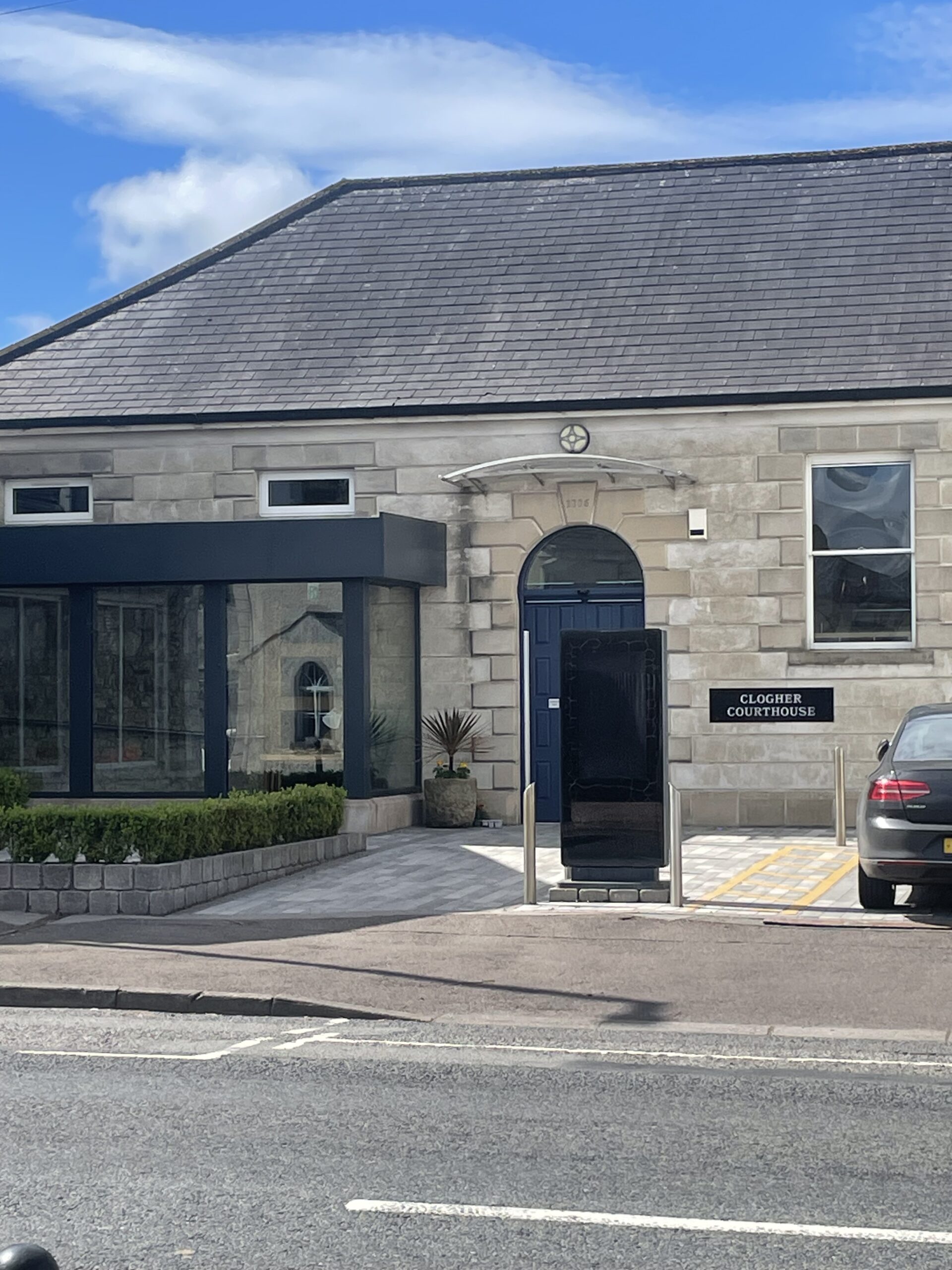
The Old Clogher Courthouse at 49 Main Street, beautifully restored and adapted for community fellowship and public gatherings.
Tracing the Ancient Clones-to-Clogher Pilgrim Corridor
In the medieval period, Clogher functioned as a critical regional sanctuary, offering vital hostel accommodations for devout pilgrims journeying northwest toward Saint Patrick’s Purgatory on Lough Derg.
Local community heritage forums have recently completed extensive preservation research to map out this ancient Clones-to-Clogher Pilgrim Corridor, utilising a complete route footprint originally identified on a regional map dating back to 1693. The trail spans a gorgeous, rugged topography, guiding hikers through old lanes and forest tracks across the rising slopes of the Glennoo and Fardross Mountains beneath the western flanks of the Sliabh Beagh range.
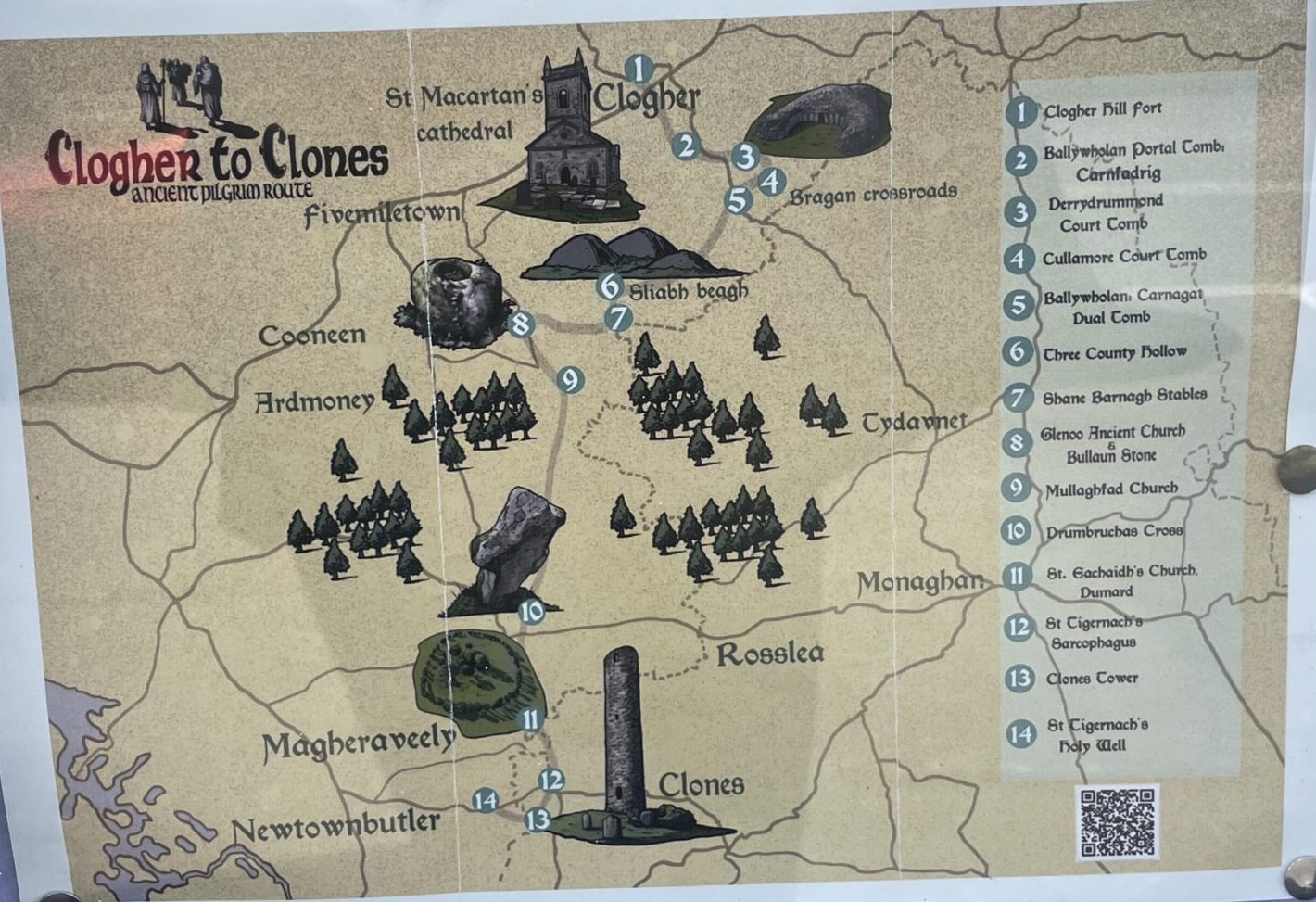
Historical community mapping traces the ancient 1693 pilgrim corridor connecting Clones to Clogher across the slopes of the Glennoo and Fardross ranges.
| Pilgrim Way-Marker / Site | Historical & Cultural Significance |
|---|---|
| Dernawilt Crossroads Cross | A leaning, early Christian stone cross hanging at a 45-degree angle over an old, abandoned laneway, acting as a directional guide across Sliabh Beagh. |
| Drumbroughas Cross | A high-profile Scheduled Historic Monument of national importance, standing as a prominent medieval stone high cross marker. |
| Glennoo Ecclesiastical Site | Remote church ruins near Mullaghfad consecrated by St. Tigernach of Clones, containing an ancient graveyard, a child burial ground, and a ceremonial bullaun stone. |
| Bronze Age Standing Stone | A prehistoric monument marked with ancient bowl-shaped cup-marks and a solitary hawthorn tree, intentionally repurposed by early Christians as a reassuring route guide. |
You can explore the interactive mapping system and see detailed breakdowns of all 14 local way-markers on the Ancient Clans Pilgrim Route Portal.
Additional Historical Resources & Archives:
* For a deep-dive look into early Christian development and historical bishop lineages across Tyrone, explore the History of the Diocese of Clogher Archive.
* To research architectural listings, protected town boundaries, and historic building conservation policies in the area, consult the National Churches Trust Augher St Macartan Chapel Guide.
* Learn more about local folklore, regional trivia, and the complete geographic barony mappings of South Tyrone via the Wikipedia Clogher.
* To access public regional data sets, listed monuments, and spatial planning records for Castle Hill and the surrounding valleys, see the Daniel Kirkpatrick Augher and Clogher Ward Profile.
Local Images
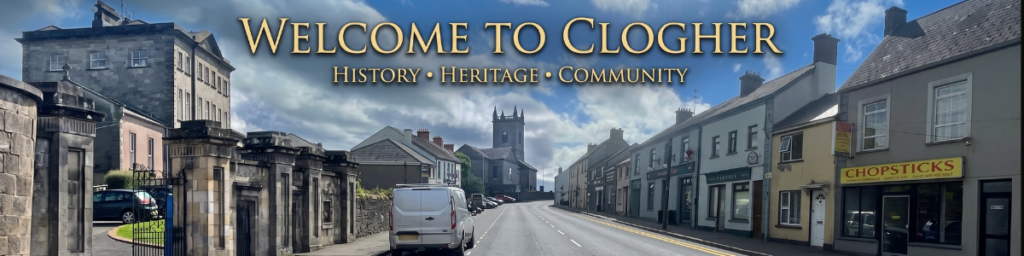
Welcome to Clogher
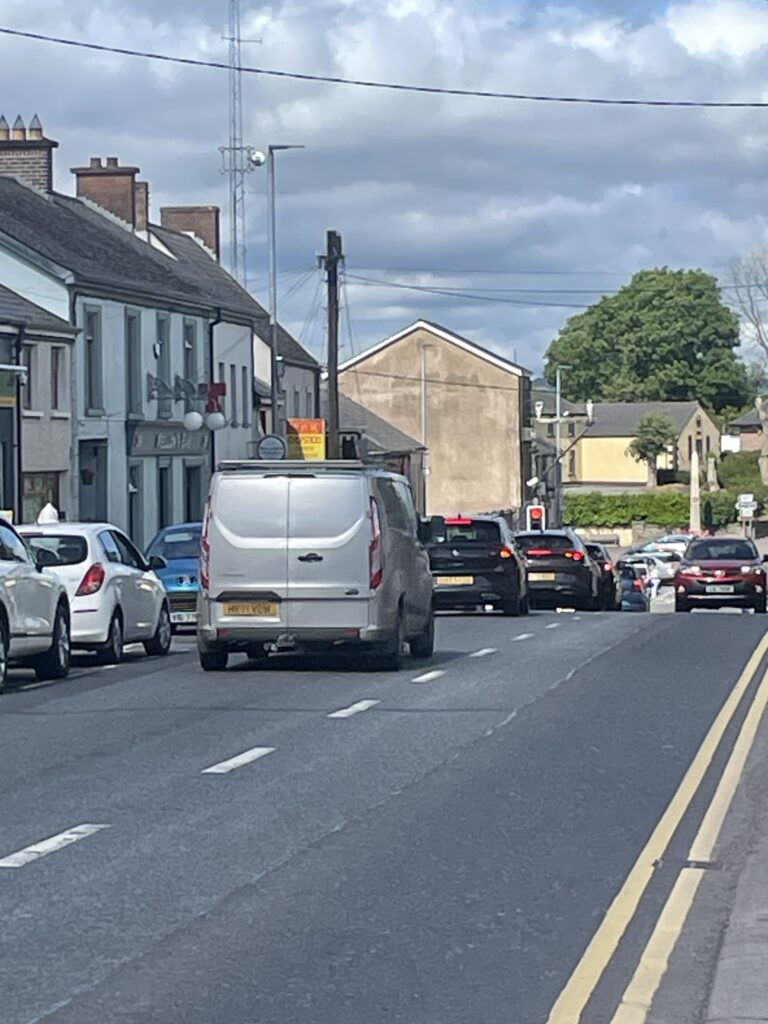
Clogher Main street
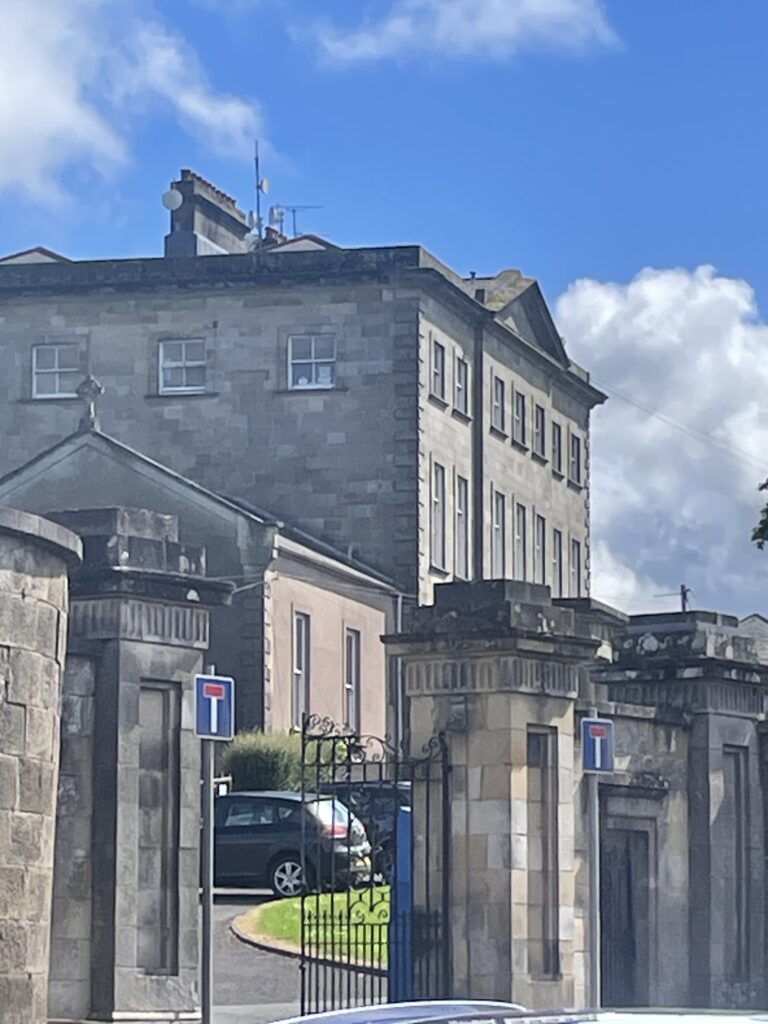
St Macartans Nursing & Dementia Care Home Clogher
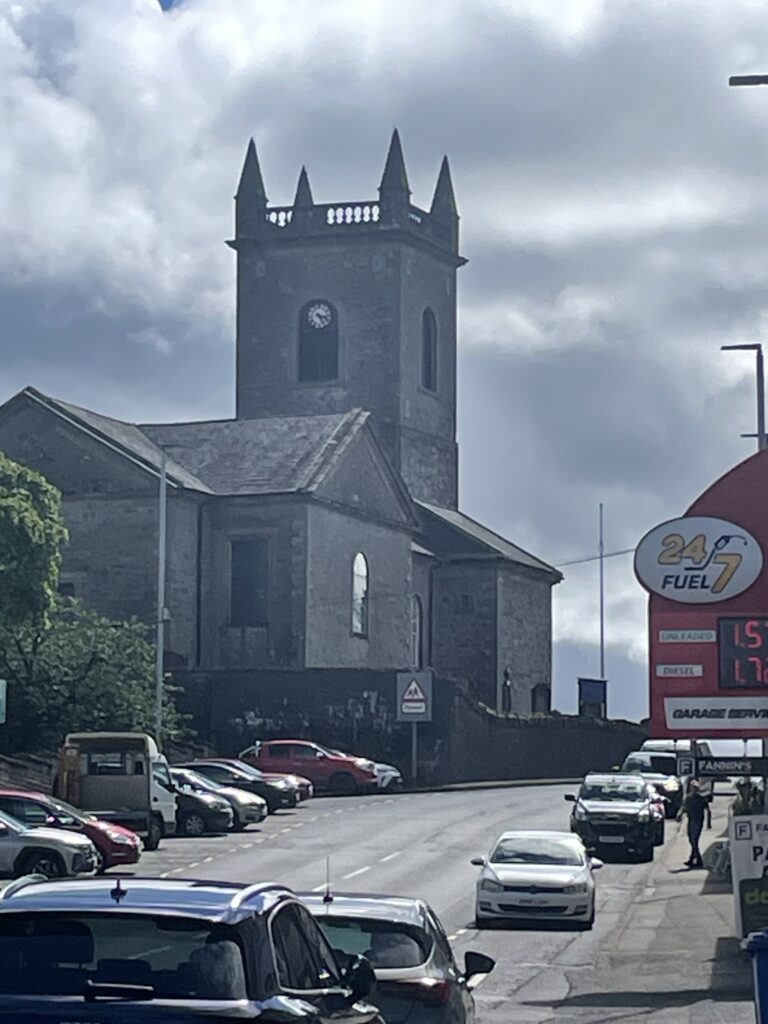
St Macartan’s Cathedral
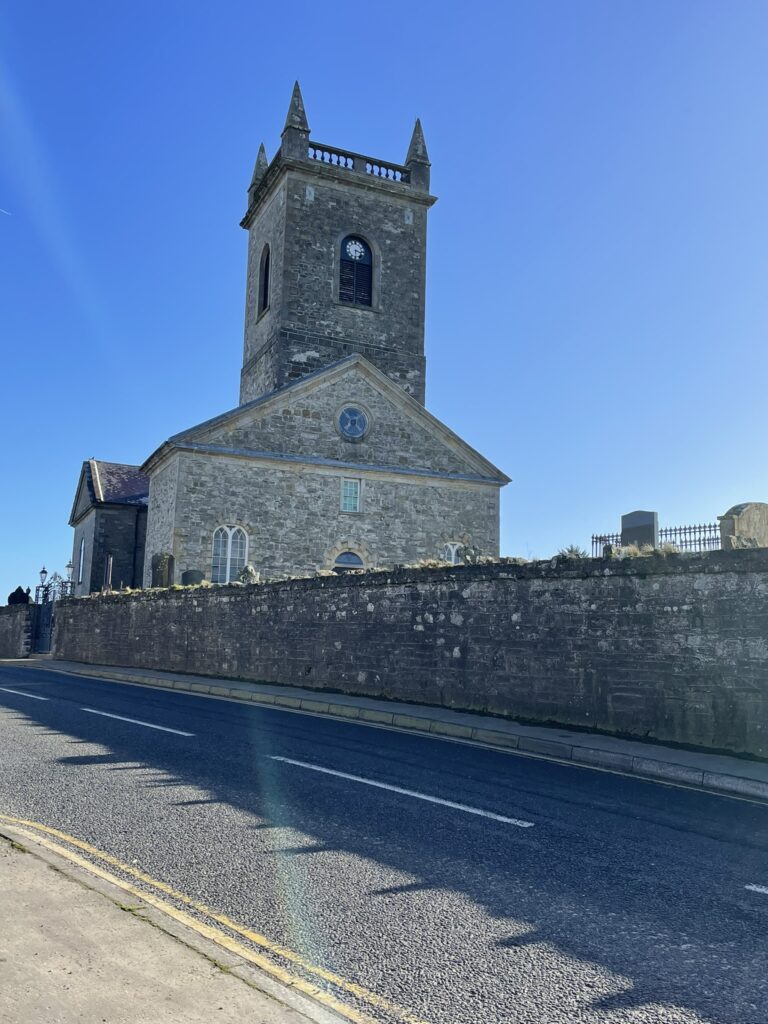
St Macartan’s Cathedral
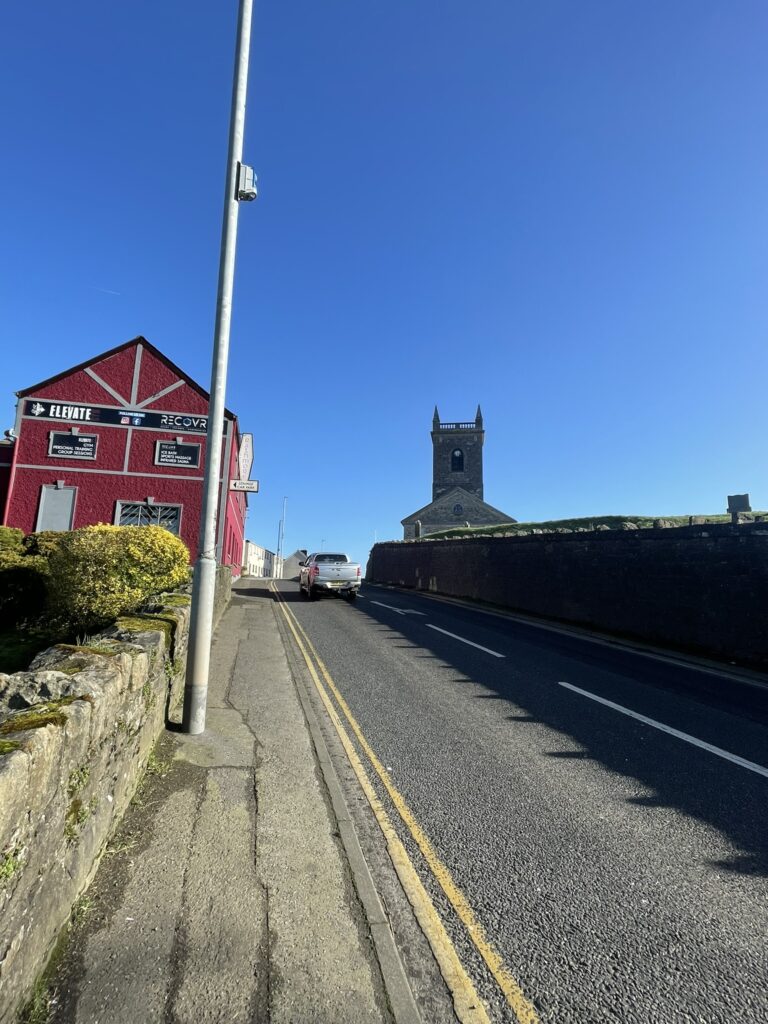
View of St Macartan’s Cathedral